Level Up Your Life: Why Casual Games Are the Secret Gateway to Real Fitness Goals
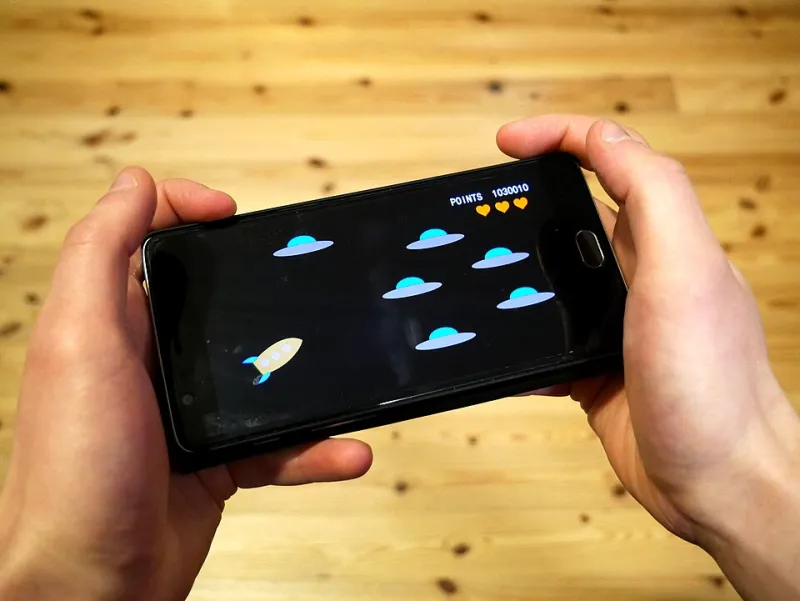
Photo: Santeri Viinamäki, CC BY-SA 4.0, via Wikimedia Commons
Let's be honest — when most people picture a "gamer," a marathon runner isn't exactly the first image that comes to mind. But here at PlayHef, we've been noticing something interesting in our community: a growing number of players are reporting that their love of casual games is actually pushing them toward more active lifestyles. Sounds wild, right? Stick with us, because the science behind this might just change how you think about your screen time.
Your Brain Doesn't Know the Difference Between a Badge and a PR
Here's the thing about dopamine — it doesn't really care where the reward comes from. When you clear a tricky level in a puzzle game or nail that perfect combo in a rhythm game, your brain releases the same feel-good chemicals it does when you crush a personal record at the gym or finally finish a 5K. Dr. Judy Ho, a clinical neuropsychologist based in California, has spoken extensively about how repeated reward cycles in gaming can literally train the brain to seek out achievement in other areas of life.
"The brain is an incredible pattern-recognition machine," she's explained in various wellness discussions. "When you condition it to expect and enjoy the feeling of accomplishment, it starts looking for that hit everywhere — not just in games."
That's the core of what we're calling the casual gaming fitness pipeline. It's not that puzzle games give you abs. It's that they teach your brain what it feels like to work toward something and win — and that lesson is transferable.
Rhythm Games and the Movement Connection
If there's one genre that makes the gaming-to-fitness bridge obvious, it's rhythm games. Titles that require you to match beats, tap in time, or physically move your body blur the line between play and exercise in a pretty literal way. But even the more sedentary versions of rhythm gaming — the ones you play on your phone while waiting for your coffee — are building something important: a positive relationship with consistent effort.
Take PlayHef community member Darnell T. from Atlanta, who shared his experience with us recently. "I started playing a casual music game just to kill time on my lunch break," he said. "But after a few weeks of actually sticking with it and seeing my scores improve, I started thinking — if I can practice this every day and get better, why can't I do that with running?" Six months later, Darnell completed his first half-marathon. He still plays casual games on his lunch break.
That's not a coincidence. That's a reward circuit doing exactly what it was trained to do.
The Psychology of Progress Bars (And Why They Work Everywhere)
One of the sneakiest motivational tools in gaming is the humble progress bar. Whether it's a loading screen, an XP meter, or a completion percentage, progress bars tap into something deeply human: our need to finish what we started. Behavioral researchers call this the "goal gradient effect" — the closer we get to a goal, the more motivated we become to complete it.
Casual games are absolutely loaded with these mechanics. Daily streaks, achievement badges, level-up animations — they're all engineered to keep you engaged. And here's the kicker: fitness apps have borrowed these exact mechanics for a reason. Apps like MyFitnessPal, Strava, and Apple Fitness+ use streaks, badges, and progress rings because game designers figured out the psychology first.
So if you've already been conditioned by casual games to respond to these cues, you've got a head start on fitness motivation that people who've never gamed simply don't have.
Real Talk: It's Not Magic, But It Is Real
We want to be straight with you — nobody is saying that playing Solitaire on your phone is going to turn you into an Olympic athlete. The connection here is psychological, not physical. What casual gaming does is build the mental infrastructure for goal-setting, persistence, and reward-seeking. The actual work of getting fit still requires, well, actually getting moving.
But that mental infrastructure matters more than most people realize. A huge barrier to starting a fitness routine isn't physical — it's psychological. It's the voice that says "why bother" or "I won't stick with it anyway." If you've already proven to yourself, through hundreds of small gaming victories, that you can stick with something and improve over time, that voice gets a lot quieter.
PlayHef member Keisha M. from Chicago put it perfectly: "Gaming taught me that I'm actually someone who likes improving at things. I just never thought of myself that way before. Once I did, working out felt different — like something I could actually be good at."
How to Make the Connection Work for You
Ready to let your casual gaming habit pull double duty? Here are a few ways to bridge the gap intentionally:
- Stack your habits. Play your favorite casual game immediately after a workout. You're reinforcing the idea that exercise leads to fun rewards.
- Use fitness apps that gamify. Lean into apps that use the same mechanics you already love — streaks, badges, challenges.
- Set game-style goals for fitness. Instead of "I want to lose weight" (vague, hard to track), try "I want to walk 10,000 steps for 7 days straight" — a streak goal your gaming brain already understands.
- Celebrate small wins. In games, you don't wait until you finish the whole campaign to feel good. Apply that same energy to fitness. Hit your water goal today? That counts. Celebrate it.
The Bottom Line
The idea that gaming and fitness are opposites is getting pretty outdated. At PlayHef, we've always believed that play is powerful — and the data is starting to back that up in ways that extend well beyond the screen. Your casual gaming habit isn't just entertainment. It's quietly building the mindset that makes real-world goals feel achievable.
So the next time someone gives you grief about your phone game obsession, just smile and tell them you're training your achievement drive. Because honestly? You kind of are.