No Controller Left Behind: How Casual Games Are Quietly Connecting Generations

Picture this: It's a Sunday afternoon in suburban Ohio. A 68-year-old retired teacher named Carol is sitting next to her 16-year-old granddaughter Maya, both of them hunched over a tablet, furiously debating whether to plant strawberries or pumpkins before the in-game winter hits. Neither of them noticed that two hours had passed. Neither of them cared.
This kind of scene is playing out in living rooms across the country more often than you might think. And it's not happening because of some grand design initiative or a corporate push for "family-friendly content." It's happening because certain games speak a language that doesn't require a generational dictionary to understand.
Why Some Games Just Click for Everyone
There's a reason your aunt got hooked on Candy Crush before she ever touched a console, or why your dad suddenly has opinions about crop rotation in Stardew Valley. Casual and cozy games are built around mechanics that feel intuitive regardless of how much gaming experience you've racked up.
Game designers call this "low floor, high ceiling" design — easy to pick up, surprisingly deep if you want to go further. There's no punishing tutorial. There's no split-second reflex requirement. The feedback loop is gentle: plant a seed, water it, watch it grow. Match three tiles, clear the board, feel good. These aren't dumbed-down experiences. They're accessible ones, and that distinction matters enormously.
From a psychological standpoint, accessible games tap into what researchers call intrinsic motivation — the kind that comes from within rather than from external pressure. When a game doesn't threaten to punish you for playing slowly or experimenting freely, people of all skill levels feel safe enough to actually enjoy themselves. And enjoyment, it turns out, is a pretty universal language.
The Grandparent Effect (It's Real, and It's Wholesome)
One of the most underreported gaming trends in America right now is the rise of older adults discovering games through their grandchildren. AARP has noted increasing interest in digital games among the 60+ crowd, and a lot of that interest starts with a grandkid saying, "Here, just try it."
What happens next is kind of remarkable. The grandparent, who maybe assumed gaming was "not for them," finds themselves genuinely engaged. And the grandchild, who expected to be the expert, discovers something unexpected: they're having a real conversation.
Take puzzle games like Two Dots or Wordscapes — games that require logic, patience, and a little creative thinking. These aren't skills that belong to any one generation. In fact, older players often bring advantages younger ones don't have: life experience, patience, and a comfort with slower, more deliberate problem-solving. Suddenly, the dynamic flips. Grandma isn't the one being taught — she's the one offering strategy tips.
That shift in dynamic does something powerful for relationships. It creates what psychologists call "reciprocal learning" — a back-and-forth exchange where both parties feel valued. And when both parties feel valued, connection follows naturally.
When Parents Get Introduced to the Cozy Side of Gaming
It's not just grandparents making this journey. Parents across the US are getting their first real taste of gaming culture through their kids — specifically through the cozy game genre that's exploded in popularity over the last few years.
Games like Animal Crossing, Disney Dreamlight Valley, and Coral Island don't ask you to be fast or aggressive. They ask you to slow down, decorate your space, befriend virtual neighbors, and tend to your little corner of a digital world. For a parent who grew up thinking games meant shooting or racing, this is a revelation.
Marcus, a 44-year-old dad from Atlanta, described his introduction to Animal Crossing this way: "My daughter kept talking about it, so I sat down with her one weekend just to understand what the fuss was about. Three weeks later, I had my own island and I was texting her at work asking if she'd traded turnip prices with anyone good lately." He laughed. "We talk more about that game than we've talked about anything in years."
That kind of story isn't an anomaly. It's a pattern.
The Design Choices That Make Inclusion Possible
So what exactly are game designers doing — intentionally or not — that makes these cross-generational connections possible? A few key elements show up consistently in games that bring different age groups together:
No time pressure. Games that let you play at your own pace remove one of the biggest barriers for older or less experienced players. When you're not racing a clock, you're free to explore and learn.
Visual clarity. Bright colors, readable fonts, and clean interfaces make casual games accessible to players with varying levels of visual acuity or tech familiarity.
Forgiving progression. When failure doesn't feel catastrophic — when you can try again without losing everything — players stay engaged instead of frustrated.
Collaborative or shareable elements. Many cozy and casual games have built-in reasons to show someone else what you're doing. "Look at my farm" or "help me figure out this puzzle" are natural conversation starters.
Emotional resonance. Games that evoke warmth, nostalgia, or creativity tend to appeal across age groups because they tap into emotions that aren't age-specific.
What This Means Beyond the Screen
Here's the part that doesn't get talked about enough: the connections formed over casual games don't stay in the game. They spill into real life.
When a teenager and their parent bond over a shared virtual farm, they develop a shared reference point — an inside joke, a common goal, a reason to check in with each other. When a grandparent discovers they're actually good at a puzzle game their grandkid introduced them to, their confidence gets a genuine boost, and their relationship with that grandkid shifts in a meaningful way.
This is the quiet magic of accessible gaming. It's not just entertainment. It's a social bridge built out of pixels and gentle mechanics, connecting people who might otherwise struggle to find common ground.
At PlayHef, we talk a lot about playing more and stressing less — and this is one of the most compelling reasons why. Games aren't just something you do alone to unwind. Sometimes they're the thing that brings your family to the same table, speaking the same language, for the first time in a while.
Start the Conversation With a Controller
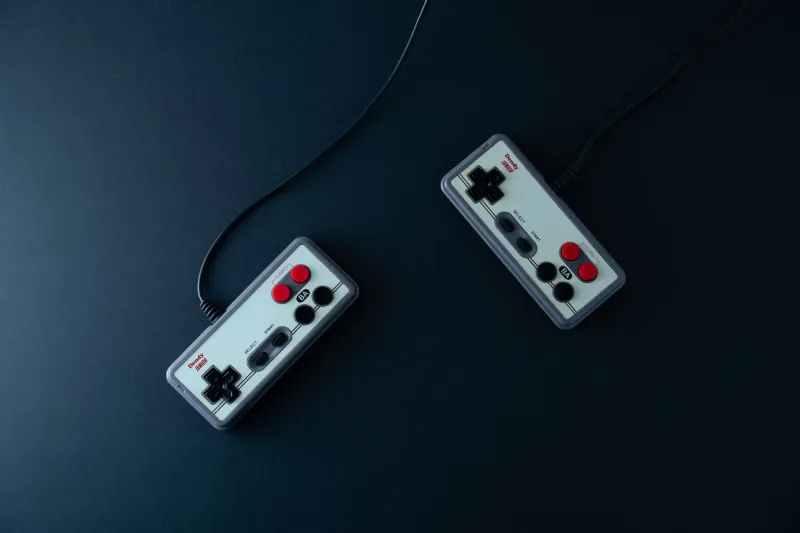
If you've been looking for a way to connect with someone across a generational gap — a parent, a grandparent, a kid — consider skipping the small talk and opening a game instead. Pick something colorful and low-stakes. Something with no wrong answers and no timer counting down.
You might be surprised how much you end up saying to each other once neither of you is trying to win.