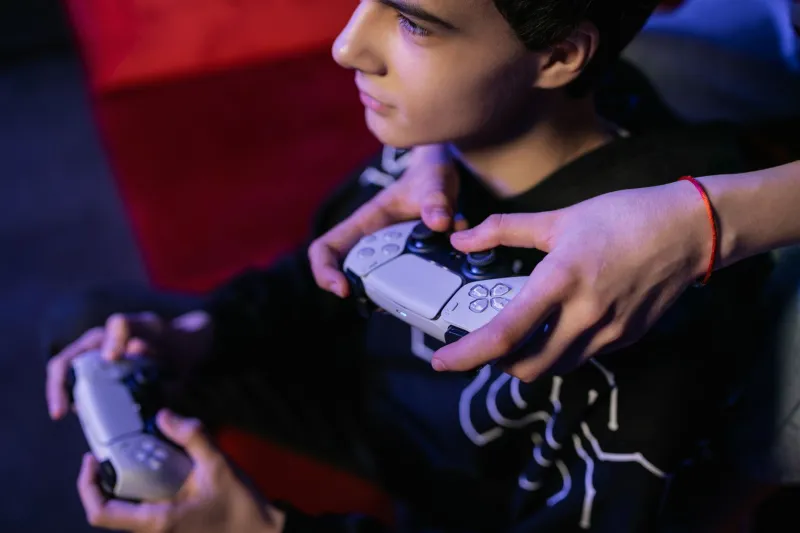
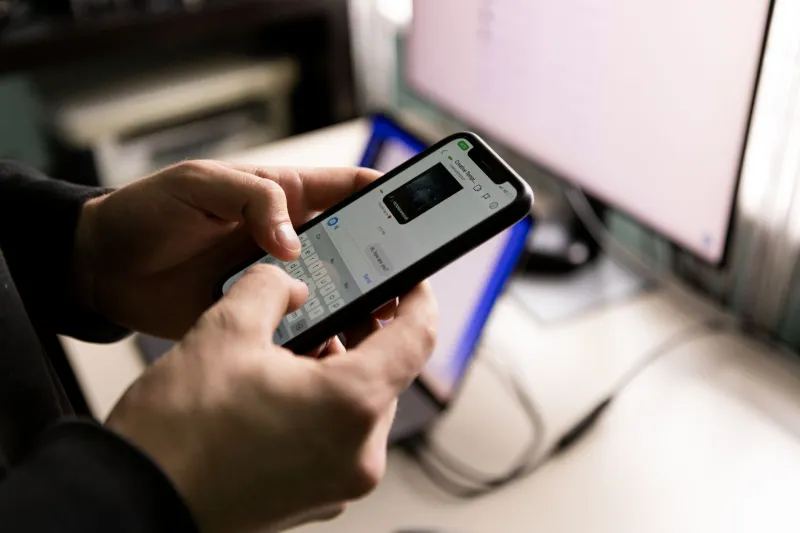
Your Phone Is Buzzing — But It's Not Your Mom, It's Candy Crush

Pick up your phone right now and scroll through your most recent notifications. Odds are, somewhere between a text from your roommate and a calendar reminder, you'll find at least three alerts from games. Maybe it's a farming sim telling you your crops are ready. Maybe it's a word puzzle nudging you to keep your streak alive. Maybe it's a battle royale reminding you that a new season started six days ago and you haven't logged in yet.
Now ask yourself: which one did you tap first?
For a lot of us, the honest answer is a little uncomfortable. Games have quietly become some of the most persistent communicators in our lives — and we've let them. That's not an accident. It's design.
Why Games Are So Good at Getting Your Attention
Game developers have spent years — and serious money — studying exactly what makes people respond to alerts. Push notifications from games aren't random. They're timed to hit during windows when you're most likely to be idle: mid-morning, right after lunch, early evening. They use language engineered to trigger urgency or curiosity. "Your village is under attack." "Someone just beat your high score." "You've got a gift waiting."
These aren't casual check-ins. They're psychological nudges backed by behavioral research. And they work because they tap into the same reward circuits that make the games themselves so satisfying in the first place. A notification from a game isn't just information — it's a tiny promise of dopamine if you follow through.
Your friend texting "hey, what's up" can't compete with that on a neurological level. It's not that you care less about your friend. It's that the game has been specifically optimized to feel more immediately rewarding.
What This Says About Where We Are Right Now
Here's the thing: the fact that game alerts are outpacing human contact in our notification feeds isn't just a quirky tech habit. It reflects something real about the pace and texture of modern life in the US.
We're busier, more distracted, and more socially fragmented than we've been in decades. Genuine human connection takes energy — emotional availability, time, the willingness to be present. Game notifications ask nothing of you except a tap. They don't need you to be in a good mood. They don't require a response that means something. They just want thirty seconds of your attention, and in return, they give you a little hit of progress or belonging.
For a lot of people, especially those dealing with stress, loneliness, or just the general overwhelm of adulting in 2024, that low-stakes interaction fills a gap. It's not a replacement for real connection — but it's frictionless in a way that real connection often isn't.
The Speed of Your Response Says More Than You Think
Pay attention to how fast you respond to different notifications over the next week. Game alerts. Texts from close friends. Work emails. News updates. Most people find a pretty clear hierarchy — and games often sit closer to the top than we'd expect or admit.
That speed isn't just about the game being fun. It's about what each notification asks of you. A game notification is a closed loop: you tap, you do the thing, you feel the reward, you're done. A text from a friend opens a conversation that has no guaranteed endpoint. It might lead somewhere great or it might turn into an hour of emotional labor you didn't budget for today.
We're not saying human texts are bad. Obviously they're not. But the asymmetry in how we respond to them versus game pings is worth sitting with for a minute.
Recalibrating Without Giving Up the Games You Love
None of this means you need to delete your apps or go full digital detox. Gaming is genuinely good for you — it reduces stress, builds focus, and can be a real source of joy. The goal isn't less gaming. It's more intentional gaming.
A few things that actually help:
Batch your game notifications. Most iOS and Android phones let you schedule notification summaries. Instead of getting pinged every time your energy refills, you get one roundup at a time you choose. You stay in the loop without the constant interruption.
Do a notification audit once a month. Go into your settings and ask yourself: does this game actually need real-time access to my attention? If you haven't played it in three weeks, the answer is probably no. Turn it off. The game will still be there.
Use game check-ins as social bridges. Instead of responding to a game notification solo, text a friend about it. "Hey, I just got back into Stardew Valley — are you playing anything right now?" You've turned a passive alert into an actual human moment.
Notice what you're avoiding. Sometimes we respond to game notifications fast because we're actively not ready to deal with something else in our queue. That's okay — games are a legit stress buffer. But if it becomes a pattern, it's worth asking what you're sidestepping.
The Bigger Picture
At PlayHef, we're big believers in the idea that gaming should add to your life, not quietly drain it. And one of the sneakier ways games can tip from "fun escape" to "stress source" is when their notification systems start running your day instead of the other way around.
You get to decide what gets your first tap. Maybe some days that really is the farming sim telling you your strawberries are ready. No judgment. But make it a choice, not a reflex.
Your friends are still texting you. They just can't afford a team of behavioral psychologists to make their messages hit harder. Cut them a little slack — and maybe tap their name first, just once, before you check on the village.