Playing Alone, Together: The Thriving Communities That Grew Up Around Single-Player Games

Somewhere right now, a person in Ohio is watching a stranger in Oregon cry at the ending of a game they both finished three years apart. In a Discord server, two people who've never met are debating the lore implications of a side quest that most players skipped entirely. On Reddit, a thread about a 2019 indie title has 847 comments and counting — from people who played it alone, in silence, and apparently had a lot of feelings about it.
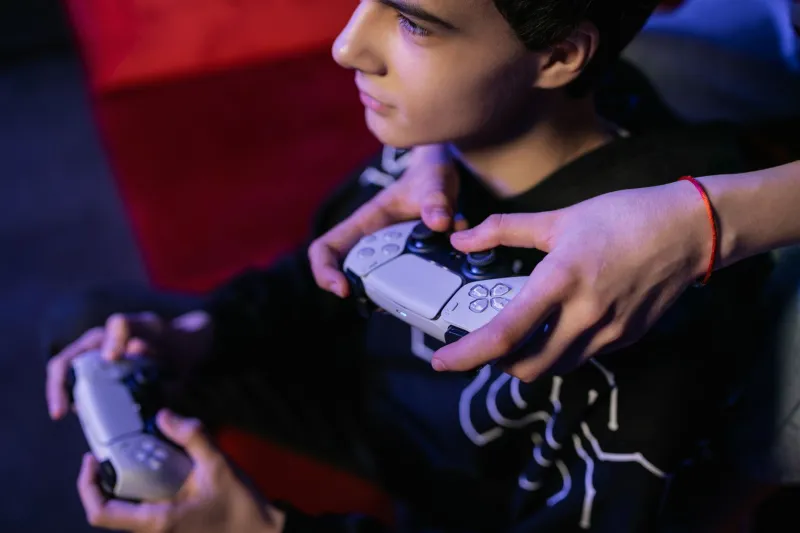
Single-player gaming is supposed to be the solitary option. The one you choose when you don't want to deal with other people. And yet somehow, it keeps producing communities that rival anything the multiplayer world has to offer.
So what's actually going on here?
The Myth of the Lonely Solo Gamer
The cultural image of the solo gamer tends to be a little bleak: one person, one screen, no social interaction. It's the image that gets trotted out whenever someone wants to make gaming sound like a symptom of isolation rather than a cause of connection.
But that image has always been incomplete, and in the streaming and social media era, it's basically fiction.
Single-player games — particularly story-heavy RPGs, atmospheric adventures, and narrative indie titles — have become some of the most discussed, dissected, and passionately debated media in American pop culture. The communities that form around them aren't incidental. They're central to how millions of players actually experience those games.
You play alone. You process together. That's the pattern, and it turns out it creates something pretty special.
Shared Experience Without Shared Sessions
Here's what makes single-player game communities different from, say, a sports fan community or a TV fandom: every member of the community had an experience that was genuinely personal and private. You didn't watch the same broadcast. You made different choices. You noticed different things. You felt your feelings in your own living room, at your own pace.
And then you found out other people had the exact same feelings — or wildly different ones — about the exact same moments.
That dynamic creates a specific kind of connection. When someone in a fan forum describes the emotional gut-punch of a particular story beat, and you felt that too, the recognition is immediate and intimate. You didn't experience it together, but you both experienced it. That shared emotional territory, discovered independently, is the foundation of some remarkably genuine friendships.
Games like The Last of Us, Hades, Disco Elysium, Celeste, and Stardew Valley have built massive communities not because players competed against each other, but because they had things to say about what they'd been through — and needed someone to say them to.
Discord Servers: The Living Room for Solo Players
If you haven't spent time in a well-run Discord server built around a single-player game, you might be surprised by what you find. These aren't just places to swap tips or ask for help on a puzzle (though they're great for that too). They're genuinely social spaces.
Channels dedicated to fan art, lore theory, screenshot sharing, and emotional reactions to story moments fill up daily. Members develop in-jokes, inside references, and longstanding conversations. Friendships that started as "hey, do you know how to get past this part?" evolve into regular check-ins, voice calls, and the kind of low-key ongoing companionship that most adults find increasingly hard to maintain.
For a lot of solo gamers — especially introverts, people with social anxiety, or folks in life stages where building new friendships feels hard — these communities aren't a substitute for "real" connection. They are real connection. The medium is different; the substance isn't.
Streaming Turned Solo Play Into a Spectator Sport
Another massive engine behind solo gaming communities is streaming culture. Platforms like Twitch and YouTube have made watching someone else play a single-player game not just normal but genuinely entertaining — and deeply communal.
The live chat during a streamer's first playthrough of a narrative game is one of the more interesting social phenomena of the current era. Viewers who've already finished the game watch alongside newcomers, carefully avoiding spoilers, reacting in real time to moments they remember vividly, sharing in the emotional experience all over again through someone else's eyes.
Content creators who build audiences around single-player games often describe their communities as among the most engaged and loyal they've encountered. There's something about a shared love of a specific story, a specific world, that creates a different kind of bond than a shared love of a competitive game type.
Fan Spaces and the Creative Explosion
Single-player games also tend to generate extraordinary amounts of fan creativity — and fan creativity generates community.
Fan fiction, fan art, cosplay, video essays, lore wikis, theory threads — all of it requires interaction, feedback, and collaboration. A person who started playing a game alone ends up writing a 4,000-word analysis of its narrative themes, posting it online, and spending the next month in conversation with people from across the country who have thoughts about it.
This creative output is particularly vibrant around games with rich world-building and ambiguous storytelling — games that don't spell everything out, that leave space for interpretation. That interpretive space is community fuel. It gives people something to argue about, build on, and explore together indefinitely.
The Particular Warmth of Niche Fandom
Something worth noting: some of the tightest solo gaming communities are built around games that most people have never heard of. The niche is a feature, not a bug.
When you're one of a relatively small number of people who've played a specific indie title, finding someone else who's played it creates an immediate, disproportionate sense of connection. "You played that too?" carries real weight when "that" is something obscure. The shared experience feels less like coincidence and more like recognition — like you've found someone with the same weird, specific taste.
Across platforms like Reddit, Tumblr, and dedicated fan sites, these small communities tend to be notably warm and welcoming. There's no gatekeeping when the gate is small. Everyone who shows up is genuinely glad someone else showed up.
Solo Doesn't Mean Separate
The story of single-player gaming communities is, at its core, a story about what humans do with experiences that move them: they find each other.
It doesn't matter that the game was designed for one person. It doesn't matter that you played it alone, in your apartment, in your pajamas, at 1 a.m. If it meant something to you, the odds are good that it meant something to someone else — and that somewhere out there, there's a community of people who would absolutely love to hear what you thought about that ending.
At PlayHef, we believe that gaming — all of it, solo included — is fundamentally about connection. Sometimes that connection is with a story. Sometimes it's with your own emotions. And sometimes, unexpectedly and wonderfully, it's with a whole group of people you haven't met yet.
Go find your people. They're out there, playing alone, together.